
A fuse is a deliberate weak point. When too much current flows through a circuit, the fuse melts before the wiring can overheat. A fuse that blows once can be a one-off. A fuse that keeps blowing is telling you there is a fault on that circuit.
Never fit a fuse with a higher rating, wrap a fuse in foil or bridge it with wire. That removes the protection and lets the wiring itself become the weak point, which is how vehicle fires start.
When it blows tells you a lot
- The moment the ignition is switched on: usually a direct short to earth somewhere on that circuit.
- Only when you use something, such as the wipers, windows or blower fan: the fault is likely in that component or its wiring. A motor that is seizing can draw far more current than it should.
- Randomly, sometimes days apart: often a wire that is chafing and only touches metal over bumps, when turning or when a door opens.
Common causes
- Chafed wiring: harnesses rubbing on sharp metal edges, or wires breaking inside the rubber boot between the door and the body, where they flex every time the door opens.
- Water in connectors from leaks, flooding or engine washing.
- Aftermarket accessories such as light bars, chargers, inverters and dash cams wired into existing circuits that were not designed for the extra load.
- Damaged sockets. A coin or a broken plug inside a 12V socket is a classic cause.
- Previous repairs with poor joints or wire that is too thin for the job.
Signs of unsafe wiring
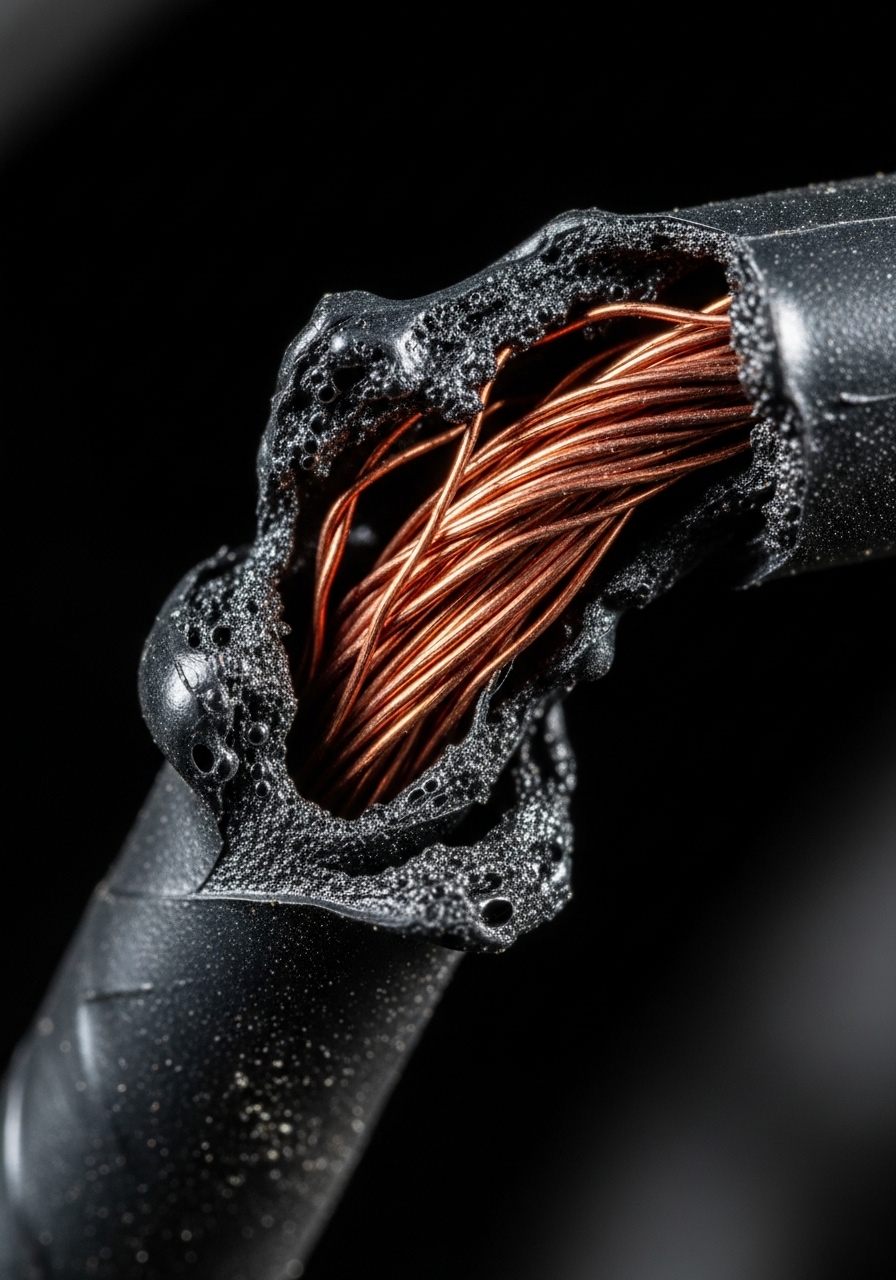
Beyond blown fuses, look out for melted or brittle insulation, connectors that are discoloured or warm to the touch, a smell of hot plastic, lights that flicker when you go over bumps and accessories that work only some of the time. Untidy aftermarket wiring, such as taped-together joints and wires run loose under carpets, deserves a closer look even before it causes trouble.
If you see smoke, smell burning plastic or find wiring that is hot, stop, switch off and do not keep driving. If it is safe to do so, disconnect the battery’s negative terminal and arrange assistance.
How the fault is traced
Fitting fuse after fuse just to see when it blows does not find the problem. The fuse box layout shows which components share the circuit. From there the circuit is inspected and split into sections, and test equipment shows which section has the short. That points to the exact area of wiring or the component to repair.
Before you call, note which fuse it is (the number or what stopped working), when it blows and whether any work or accessories were added recently. It saves time on the fault-finding.
Wiring faults in Kempton Park
We trace short circuits and wiring faults at your vehicle and explain what we found before any repair. See our auto electrical repair service. If the battery is also going flat, read battery keeps going flat.
Next step
Need help in Kempton Park? See our auto electrical repairs service or send your vehicle details to arrange a mobile assessment.