
First, make sure there really is no key
It sounds obvious, but check before you arrange anything. Look in the last bag or jacket you used, the car’s ignition and door locks, and ask whoever last drove the vehicle. If a spare exists at home or with a family member, fetching it is almost always quicker and cheaper than a new key. If the vehicle is parked somewhere that does not feel safe, deal with your own safety first and the car second.
Why a modern key is more than a cut blade
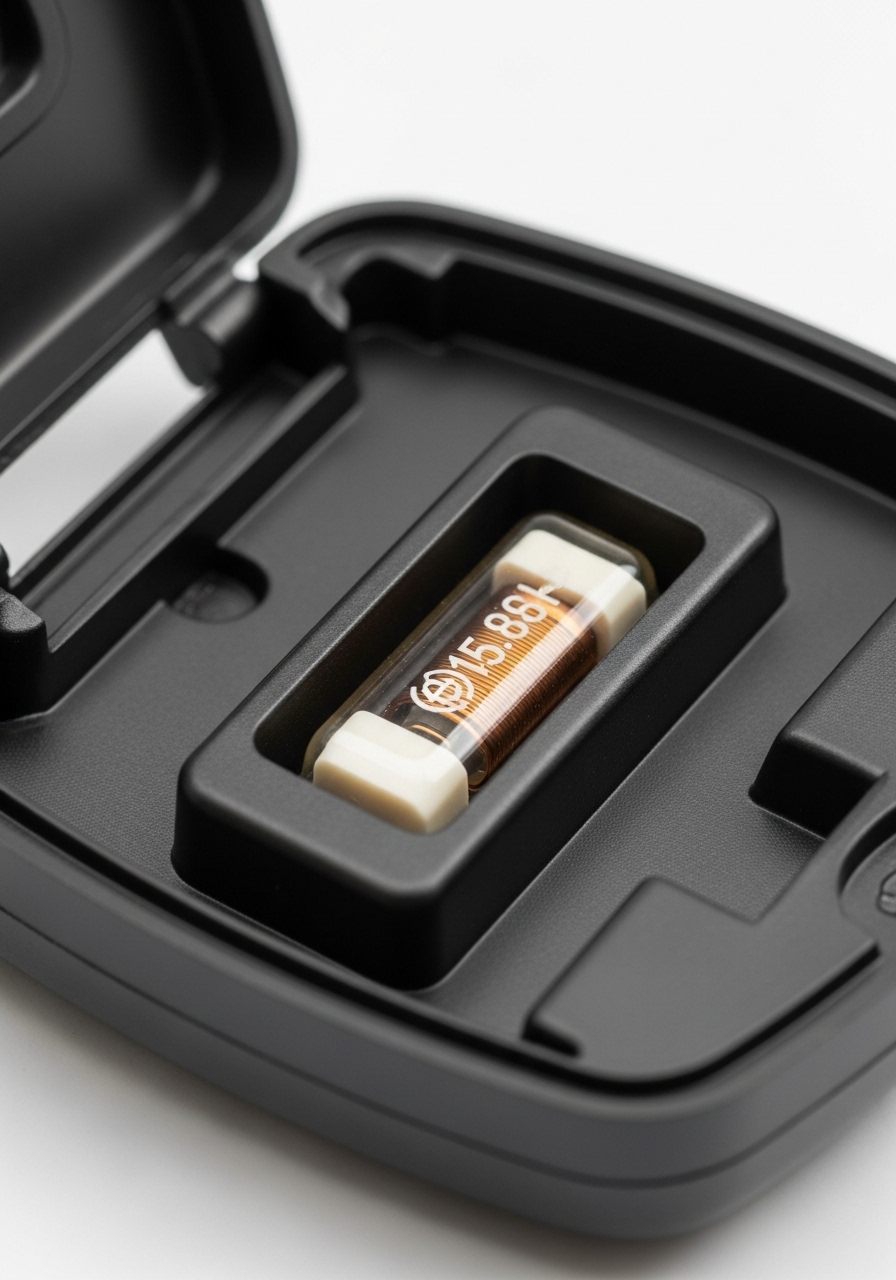
Most cars from the last twenty years have a transponder chip in the key head. When you turn the key or press the start button, the car’s immobiliser reads that chip and only allows the engine to run if it recognises the code. A blade that is cut perfectly but not programmed will open the door and may even turn the ignition, but the engine will not start, or it will start and cut out after a second or two.
Many keys also contain a remote for central locking, which is paired separately. Push-to-start cars use a proximity fob that has to be registered to the vehicle. That is why a replacement key is usually two jobs: cutting and programming.
What an all-keys-lost job involves
When at least one working key exists, a new key can often be added to the car. When none exist, the job is called all keys lost, and it takes more work. The blade is cut to suit the vehicle’s locks, then the new key is programmed to the immobiliser using diagnostic equipment. On some vehicles this is done through the diagnostic port under the dashboard. Others need security codes or more involved work on the immobiliser system.
This is why one make and model can be a straightforward job and another can take much longer, and why a key price can only be confirmed once the vehicle details are known.
What to have ready
- The make, model and year of the vehicle, and whether it has a turn key or a push-to-start button.
- The VIN (vehicle identification number).
- Your ID and proof that the vehicle is yours or that you are authorised to use it, such as the registration certificate.
- Where the vehicle is parked and whether it is locked.
The VIN is printed on the licence disc on your windscreen and on the vehicle’s registration certificate. Taking a photo of it before you call speeds things up.
If your keys were stolen
If the keys were taken along with something that shows your address, such as a handbag or wallet, ask about removing the stolen key from the car’s memory once the new key is programmed. A deleted key can no longer start the engine. Bear in mind that deleting the chip does not change the mechanical locks, so a stolen blade may still open a door.
Report the theft to the police and let your insurer know. Some policies cover key replacement, so check before you pay.
Proof of ownership is checked before any key or immobiliser work. This protects you as much as anyone else. Nobody should be able to have a key made for your car without proving it is theirs.
Don’t pay for the same problem twice
Once you have a working key again, get a second key coded while the car is being done. Adding a spare while one key works is far simpler than starting from nothing. Our guide on getting a spare car key explains why.
Mobile help in Kempton Park
When every key is gone, the car usually cannot be driven anywhere, which is exactly when a mobile service helps. Send us the vehicle details, where it is parked and what happened to the keys. We will confirm whether we can do your vehicle, what is involved and the cost before any work starts. See our car keys and programming service for more.
Next step
Need help in Kempton Park? See our car keys & programming service or send your vehicle details to arrange a mobile assessment.